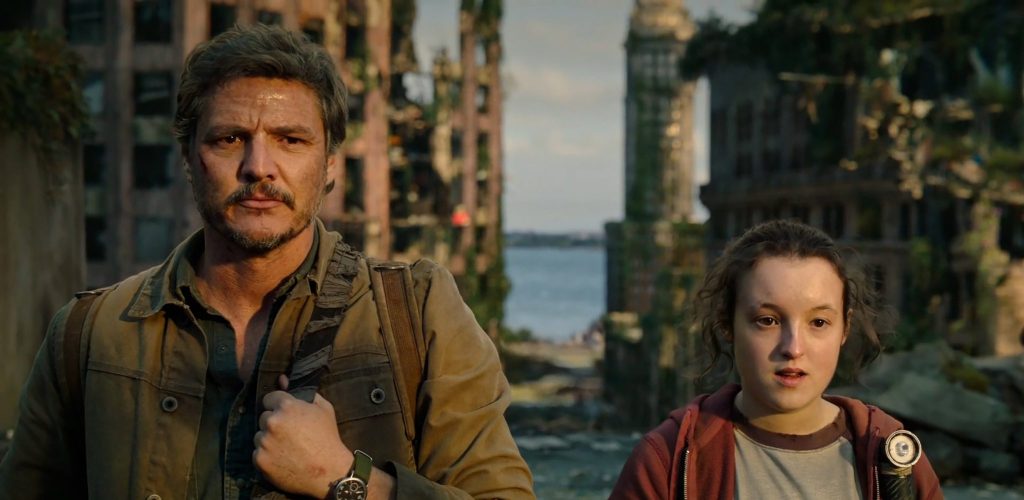
I just started watching The Last of Us. I’m only on Season 1, Episode 3, so please, no spoilers. 😄
A few scenes in, though, I already have a feeling this show is going to give me quite a few moments where I want to pause and think about something. So maybe this becomes a little series of its own. Not really reviews, but more like realizations that come up while I’m watching.
This one came pretty early. Ellie asks Joel how everything started, and the answer wasn’t what I expected. It wasn’t some dramatic event that everyone could point to and say, there, that’s where it began.
It was flour. Sugar. Ordinary things sitting in people’s kitchens.
The explanation in the show is that a fungus had been quietly adapting to a warmer environment. By the time anyone realized something was wrong, the problem had already moved far beyond the places where anyone would have thought to look.
And I kept thinking about the flour. Because nobody was watching the flour.
Why would they?
It’s flour. It’s one of those things that’s so ordinary that we barely notice it. It’s in the background of everyday life. You buy it, put it in the cupboard, and forget about it until you need it.
That made me think about how we decide what deserves our attention. We’re generally pretty good at paying attention to things we’ve already learned to consider dangerous. We build systems around them. We make contingency plans. We create rules and procedures. We learn what the warning signs are supposed to look like.
But there are so many things in our lives that don’t get that kind of scrutiny simply because they’ve always felt ordinary. And I don’t necessarily mean dangerous things.
It could be an assumption you’ve carried for years. A habit that made sense once but you’ve never revisited. A source of information you trust because you’ve always trusted it. A process that everyone around you follows without really remembering why it exists in the first place.
The interesting thing about familiarity is that it can make something almost invisible.
You stop seeing the thing itself. You just see the world around it.
I suppose that’s what struck me about the story. The vulnerability wasn’t necessarily in the obvious places. It was buried inside something people had no reason to suspect.
There is something uncomfortable about that idea because it applies far beyond the story.
Sometimes the things that shape our lives most are the things we have stopped noticing.
Maybe the more important question isn’t always what is the threat?
Maybe sometimes it’s: What have I accepted so completely that I no longer think to question it?
What’s the “flour” in your life right now?
The thing that’s so familiar, so basic, so much a part of the background that you haven’t looked at it closely in a very long time.
That’s the thought I’m taking with me into Episode 4.




Leave a comment